
Honors & Remembrance
- Home
- Honors
Memorials, statues, and institutions named after Rani Durgavati

Memorial Site
A revered memorial dedicated to Rani Durgavati, honoring her supreme sacrifice, courage, and unwavering resistance against imperial forces, serving as a symbol of Gond pride and bravery.
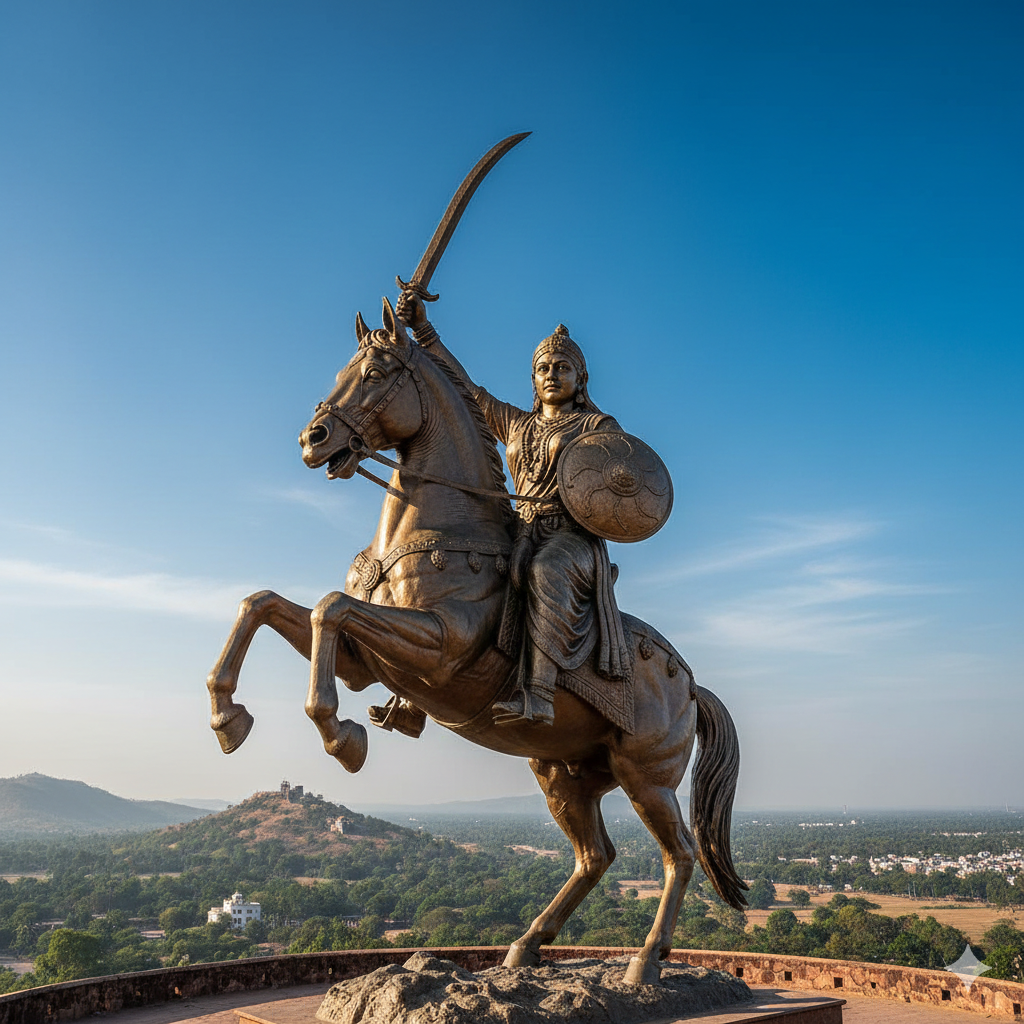
Public Monument
Majestic statues of Rani Durgavati installed across central India commemorate her warrior spirit, leadership, and fearless stand for sovereignty and justice.

Educational Institution
A prominent university named in her honor, promoting higher education while preserving the legacy of one of India’s most valiant tribal queens.
Rani Durgavati University & Public Commemorations
Rani Durgavati University, Jabalpur, stands as a living tribute to the indomitable spirit of Rani Durgavati. As a center of higher education, the university not only advances academic excellence but also preserves and promotes the historical legacy of the Gondwana kingdom and its legendary queen. Through research, cultural programs, and regional studies, the institution fosters awareness of indigenous history, leadership, and resistance movements that shaped central India’s past. The university embodies the values of courage, self-rule, and intellectual empowerment that Rani Durgavati herself represented.
Educational Legacy – The university advances learning while preserving Gondwana and tribal history.
Cultural Remembrance – Public events and memorials honor Rani Durgavati’s sacrifice and leadership.
Inspiration for Youth – Her legacy motivates future generations toward courage and self-respect.
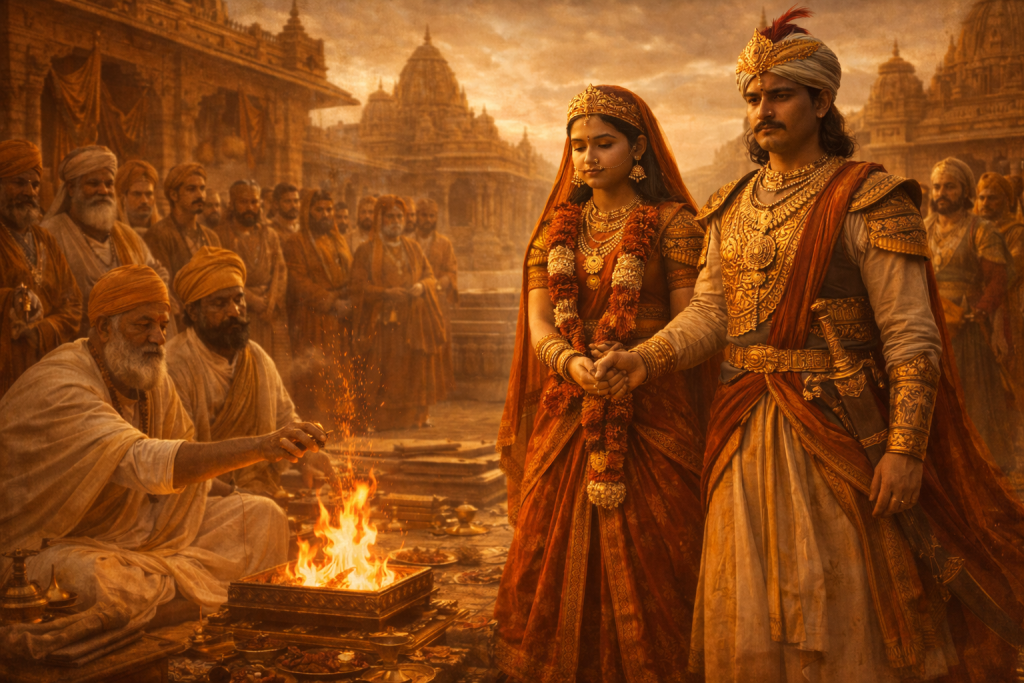
Representation in Textbooks and Cultural Narratives
Rani Durgavati’s presence in school textbooks and academic curricula plays a crucial role in shaping historical understanding and cultural consciousness among students. Her story is often introduced within chapters on medieval Indian history, regional kingdoms, and resistance against imperial expansion, highlighting her courage, strategic acumen, and unwavering commitment to sovereignty. Textbooks increasingly recognize her not merely as a regional ruler but as a significant historical figure who exemplified leadership, sacrifice, and resilience. By including her life and battles, educational narratives help correct historical imbalances that once marginalized tribal and regional heroes. These representations foster respect for indigenous leadership traditions and provide students with a broader, more inclusive view of India’s past. Through maps, illustrations, and contextual explanations, learners are encouraged to appreciate the socio-political environment of Gondwana, the challenges faced by Rani Durgavati, and the values she upheld. Such academic acknowledgment reinforces her role as a symbol of courage and ethical governance, ensuring that her legacy is preserved through formal education and scholarly discourse.
Rani Durgavati’s presence in school textbooks and academic curricula plays a crucial role in shaping historical understandingaBeyond textbooks, Rani Durgavati’s legacy thrives within cultural narratives, including folklore, oral traditions, literature, theatre, and contemporary media. Folk songs, ballads, and regional performances continue to celebrate her bravery and martyrdom, passing her story across generations in emotionally resonant forms. Writers and poets have portrayed her as an embodiment of resistance, honor, and feminine strength, weaving historical fact with cultural memory. In modern times, documentaries, exhibitions, and community-led storytelling initiatives have further amplified her presence in public consciousness. These narratives not only honor her sacrifice but also strengthen cultural identity, especially among tribal communities. By bridging history and culture, such representations ensure that Rani Durgavati remains a living symbol of dignity, self-rule, and inspiration, deeply rooted in both academic study and collective cultural memory. and cultural consciousness among students. Her story is often introduced within chapters on medieval Indian history, regional kingdoms, and resistance against imperial expansion, highlighting her courage, strategic acumen, and unwavering commitment to sovereignty. Textbooks increasingly recognize her not merely as a regional ruler but as a significant historical figure who exemplified leadership, sacrifice, and resilience. By including her life and battles, educational narratives help correct historical imbalances that once marginalized tribal and regional heroes. These representations foster respect for indigenous leadership traditions and provide students with a broader, more inclusive view of India’s past. Through maps, illustrations, and contextual explanations, learners are encouraged to appreciate the socio-political environment of Gondwana, the challenges faced by Rani Durgavati, and the values she upheld. Such academic acknowledgment reinforces her role as a symbol of courage and ethical governance, ensuring that her legacy is preserved through formal education and scholarly discourse.
