Early Life
- Home
- Early Life
Birth, lineage, and royal background
A princess of the Chandel dynasty, born into a legacy of valor, culture, and leadership.
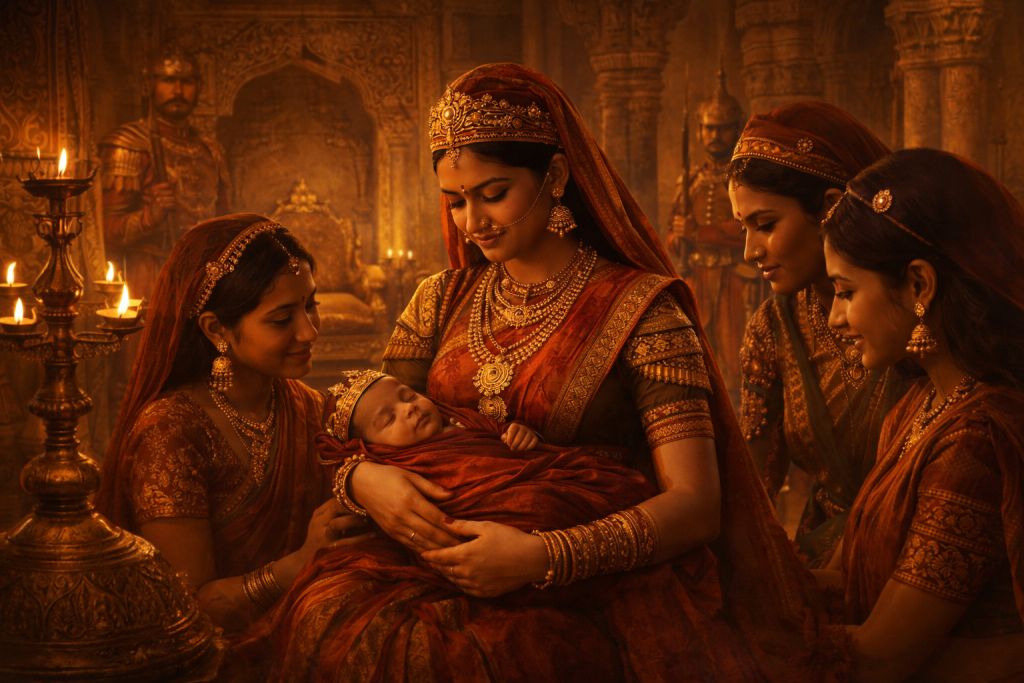
Birth of a Warrior Queen
Rani Durgavati was born into the noble Chandel dynasty, a lineage known for valor, culture, and strong governance. From an early age, she was exposed to royal discipline
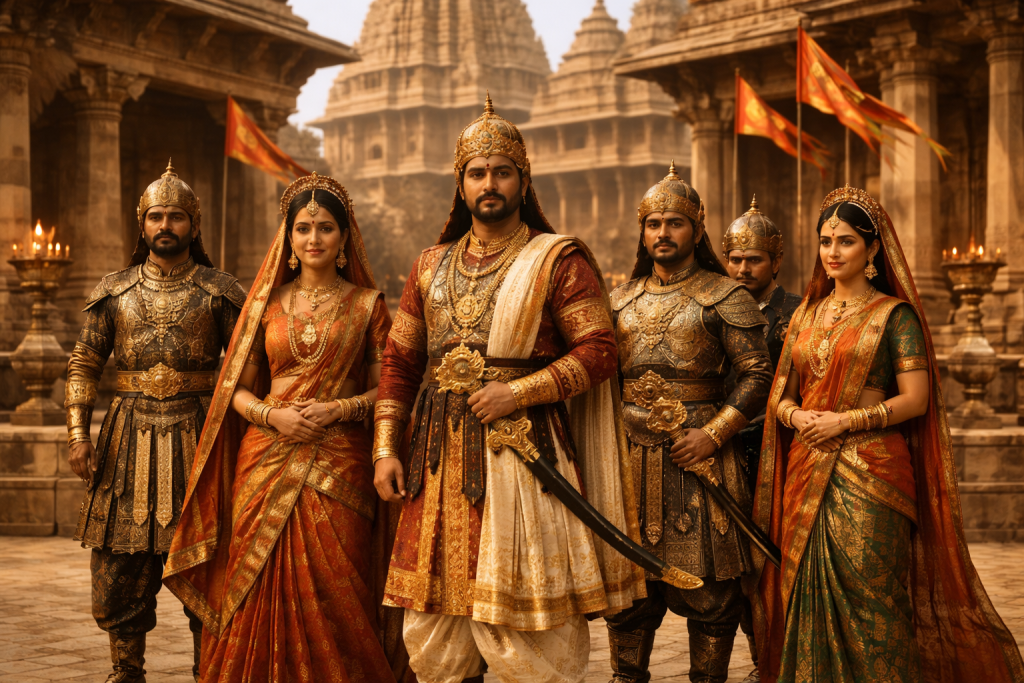
The Chandel Royal Lineage
The Chandel dynasty, renowned for its architectural brilliance and military strength, formed the foundation of Rani Durgavati’s identity. Raised in a family of warriors
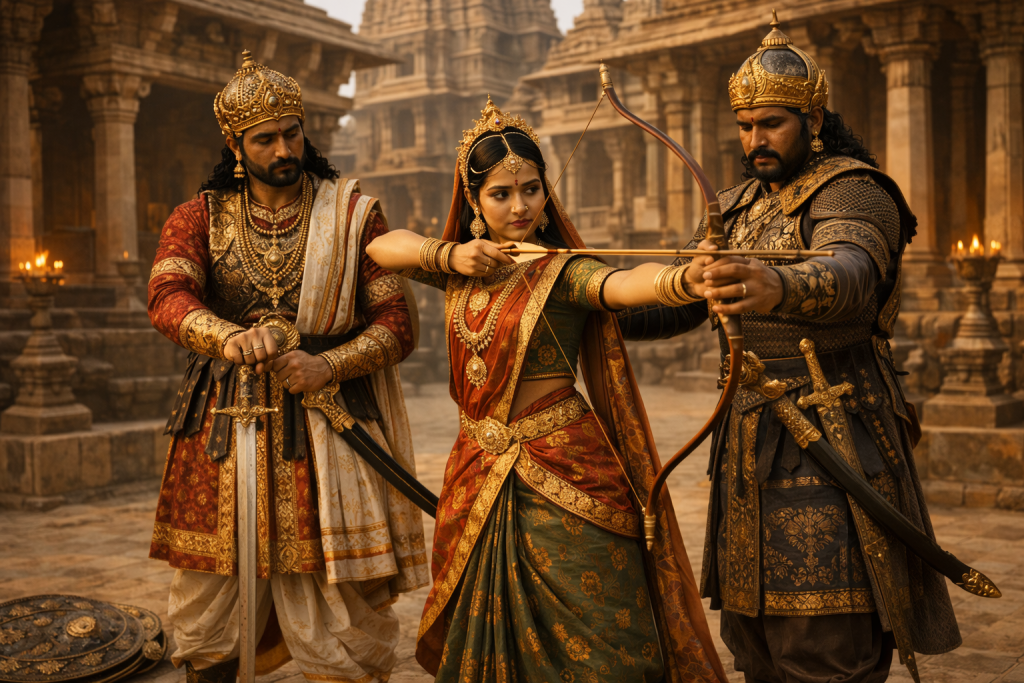
Training of a Queen
From a young age, Rani Durgavati received training in warfare, administration, and leadership—preparing her to rule with strength and wisdom in a challenging era.
Early Life and Royal Training
From education and discipline to warfare, horsemanship, and governance, her formative years shaped a fearless and capable ruler.
Childhood Education
Rani Durgavati’s early years were shaped within the refined environment of the Chandel royal household, where education was regarded as the foundation of leadership. From a very young age, she was exposed to learning that extended far beyond basic literacy. Her tutors instructed her in classical languages, history, moral philosophy, and the traditions of governance that had guided generations of rulers before her. She was encouraged to observe court proceedings, understand the responsibilities of kingship, and learn the principles of justice, diplomacy, and social harmony. This early intellectual grounding instilled in her a deep sense of responsibility toward her people and a strong moral compass that would guide her decisions throughout her life.
Training in Warfare
Alongside scholarly learning, Rani Durgavati underwent rigorous martial training, reflecting the realities of a kingdom often threatened by external forces. From a young age, she was trained in the use of weapons such as swords, spears, and bows, developing strength, precision, and endurance. Military instructors taught her battle formations, defensive tactics, and the art of commanding troops under pressure. She learned to assess terrain, anticipate enemy movements, and make swift strategic decisions. This intensive preparation cultivated not only her physical prowess but also her mental resilience. Her training ensured that she was not merely a symbolic ruler but a capable warrior who could lead from the front when her kingdom’s sovereignty was at stake.
Mastery of Horse Riding
Horse riding played a vital role in Rani Durgavati’s development as a warrior queen. From her youth, she was trained to ride with confidence, balance, and command, mastering both speed and endurance. Riding across forests, plains, and uneven terrain strengthened her coordination and sharpened her instincts. Horses were essential in warfare, communication, and governance, and her ability to control them with precision symbolized authority and readiness. Her skill in riding allowed her to travel swiftly across her kingdom, inspect territories, and lead troops during military campaigns. This mastery further enhanced her image as a fearless and capable leader who matched the strength of any warrior of her time.
Learning Administration
Beyond the battlefield, Rani Durgavati was deeply invested in the art of governance. She received thorough training in administration, learning how to manage state affairs, oversee justice, collect revenue, and ensure the welfare of her people. Under the guidance of experienced ministers and advisors, she studied systems of governance that balanced authority with compassion. She understood the importance of fair taxation, protection of agricultural communities, and maintenance of law and order. Her administrative wisdom helped create stability within her kingdom and strengthened the bond between ruler and subjects. This balanced approach—combining strength with fairness—defined her reign and earned her enduring respect as a wise and just queen.
Marriage into the Gondwana Dynasty
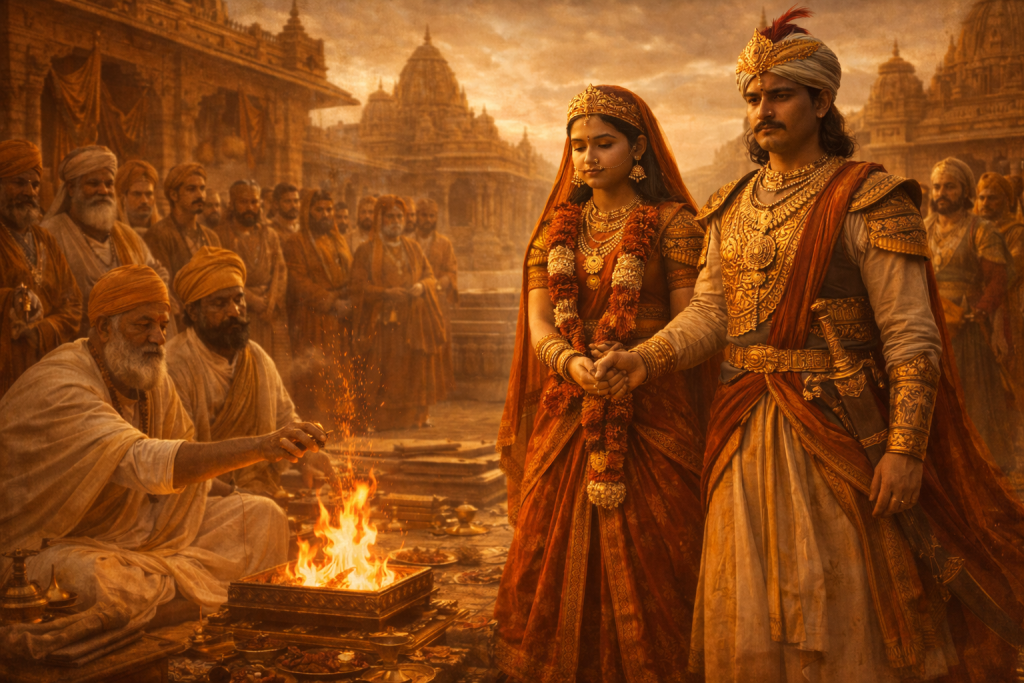
Rani Durgavati’s life took a defining turn with her marriage to Dalpat Shah, the ruler of the Gondwana kingdom and son of King Sangram Shah. This union was not merely a royal alliance but a significant convergence of two powerful lineages—the Chandela Rajputs and the Gondwana rulers. Through this marriage, Durgavati entered a new cultural and political world, one that demanded adaptability, wisdom, and leadership in equal measure.
As the queen of Gondwana, she embraced her new role with remarkable grace and dedication. She immersed herself in understanding the traditions, administrative systems, and social structure of the Gond kingdom. Her intelligence, discipline, and sense of responsibility quickly earned her respect within the royal court and among the people. Rather than remaining a ceremonial figure, she actively participated in governance, offering counsel on matters of state, justice, and diplomacy.