
Timeline

Chronological milestones from birth to martyrdom.

From Birth to Martyrdom: A Chronological Journe

1524 CE
Birth of a Warrior Queen
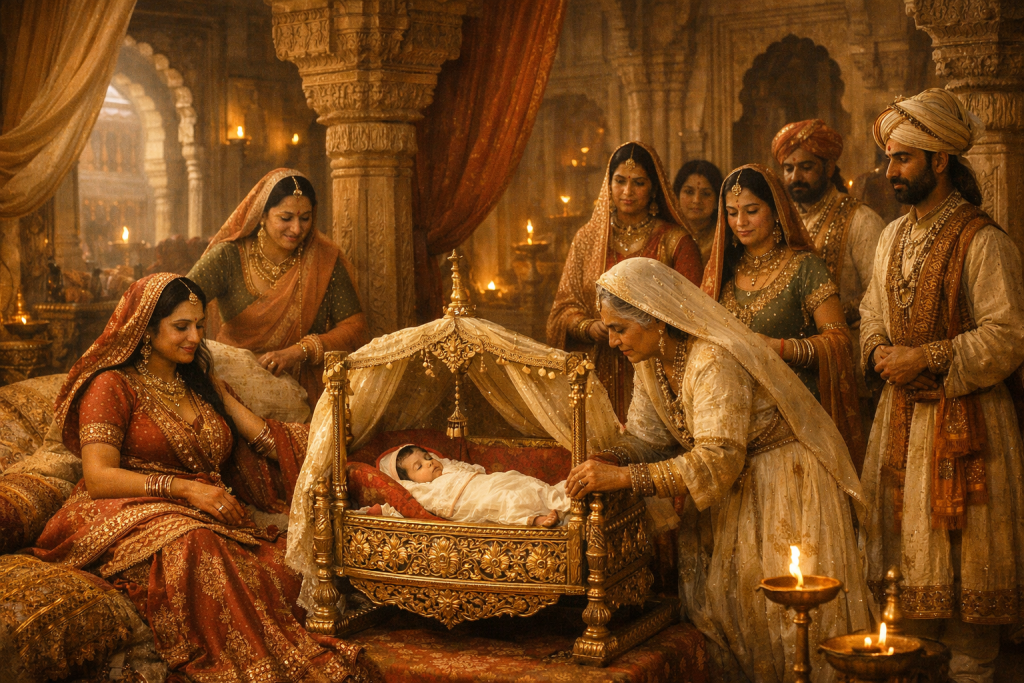
Rani Durgavati was born into the Chandela Rajput dynasty, inheriting courage, leadership, and royal dignity from childhood.

1542 CE
Marriage & Rise to Power
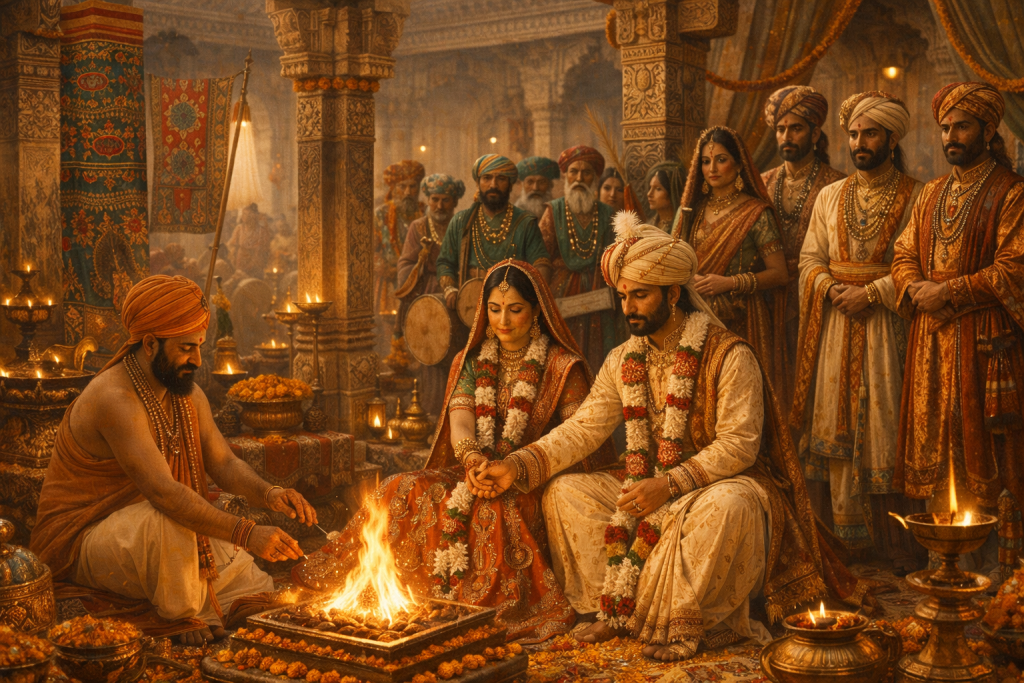
Married Dalpat Shah of Gondwana, she later assumed the throne, becoming one of central India’s most capable women rulers.

1550–1564 CE
Battle Against the Mughals
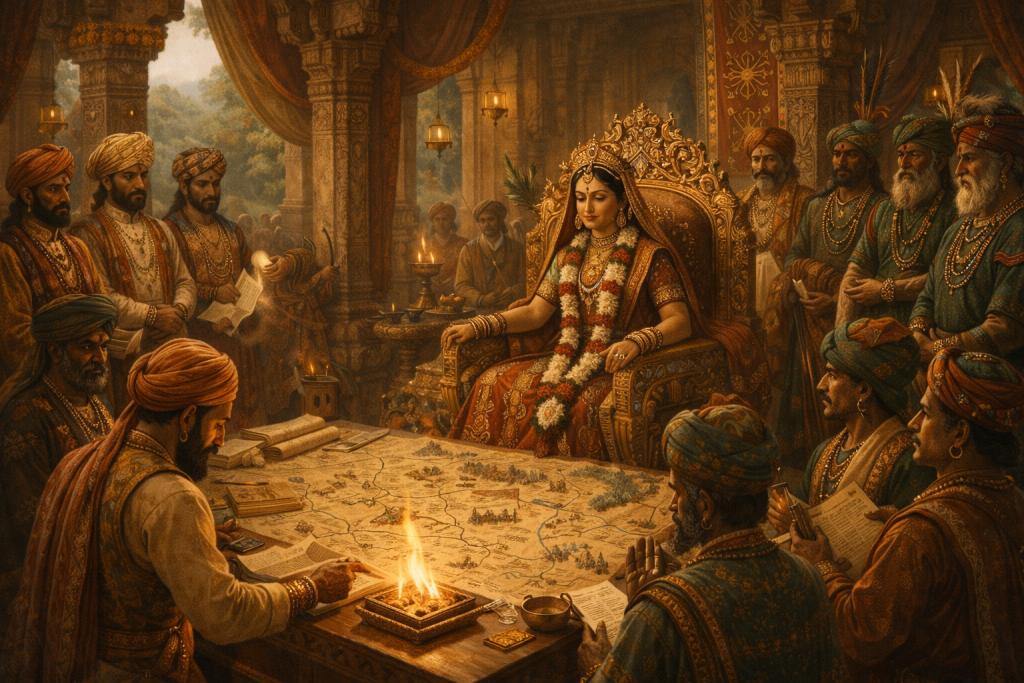
Rani Durgavati strengthened administration, protected her people, and expanded prosperity across the Gondwana kingdom.

1564 CE
Expanded
Battle Against the Mughals

Facing Mughal general Asaf Khan, she led her army with unmatched bravery, refusing surrender despite overwhelming odds.

24 June 1564 CE
Martyrdom & Immortal Legacy

Choosing honor over captivity, Rani Durgavati attained martyrdom, becoming an eternal symbol of courage


Key battles

Key Battles That Defined Rani Durgavati’s Courage and Resistance

c. 1540–1550

Early Defense of Gondwana

Rani Durgavati strengthened Gondwana’s defenses, uniting forts and commanders to protect her kingdom from regional invasions.

1555

Battle Against Malwa Forces

She successfully resisted repeated attacks from Malwa, proving her strategic brilliance and firm leadership.

1562–1563

Resistance to Mughal Expansion

Rani Durgavati opposed Mughal advances led by Asaf Khan, refusing submission and preparing her army for war.

24 June 1564

Martyrdom of a Warrior Queen

Choosing honor over surrender, Rani Durgavati attained martyrdom, becoming an eternal symbol of courage and sacrifice.

political events

Key Political Events Shaping Rani Durgavati’s Reign and Gondwana’s Sovereignty

Ascension to Power (1550 CE)

Rani Durgavati assumed regency of Gondwana, strengthening administration and tribal governance.

Administrative Reforms

She introduced efficient taxation, protected farmers, and promoted justice across her kingdom.

Fortification of Gondwana

Strategic forts and defenses were strengthened to secure political independence.

Resistance to Mughal Expansion

She firmly opposed Mughal political dominance over Gondwana territories.

turning points.

Defining Moments That Shaped Rani Durgavati’s Courageous Reign

Ascension as Queen Regent (1550)

After King Dalpat Shah’s death, Rani Durgavati assumed regency, ruling Gondwana with wisdom, strength, and administrative skill.

She reorganized revenue systems, promoted agriculture, and ensured justice, earning loyalty from her people and nobles.

Rani resisted growing Mughal influence, maintaining Gondwana’s independence despite repeated warnings and political pressure.

She forged strategic alliances with neighboring rulers and tribal chiefs to strengthen military and political unity.

Facing Asaf Khan’s Mughal forces, Rani chose resistance over surrender, leading her army personally into battle.

Refusing capture after being wounded, Rani Durgavati embraced martyrdom, becoming a timeless symbol of courage and self-respect.

Scroll to Top